

june 16 2025
As we approach the end of our Positive Relationships unit, I’d like to return back to what healthy relationships mean and how to keep them strong. Let’s take a look at a few videos to get the conversation started:
Al acercarnos al final de nuestra unidad sobre Relaciones Positivas, me gustaría retomar el tema de las relaciones saludables y cómo mantenerlas fuertes. Veamos algunos videos para iniciar la conversación:
Of course, no talk about Positive Connections would be complete without looking at healthy romantic relationships. These talks (especially when a teacher is involved) can be a little AWKWARD. But, let’s do it anyway 😭
Claro que ninguna conversación sobre Conexiones Positivas estaría completa sin hablar de las relaciones románticas saludables. Estas conversaciones (sobre todo cuando hay un profesor involucrado) pueden ser un poco incómodas. Pero, hagámoslo de todas formas 😭
Last week’s watercolor lessons were hugely popular! Given that, I created a few more activities for us to do, to up your game. Once you’ve learned these new techniques, use them to create more Positive Connection gratitude cards.
¡Las clases de acuarela de la semana pasada fueron muy populares! Por eso, preparé algunas actividades adicionales para que mejoren su técnica. Una vez que hayan aprendido estas nuevas técnicas, úsenlas para crear más tarjetas de agradecimiento de Conexión Positiva.

Mojado sobre mojado con agua salada:

Salt:
Sal:


Straw Painting
Pintura de paja

¡Burbujas!

Watercolor blobs + marker = birds
Manchas de acuarela + marcador = pájaros

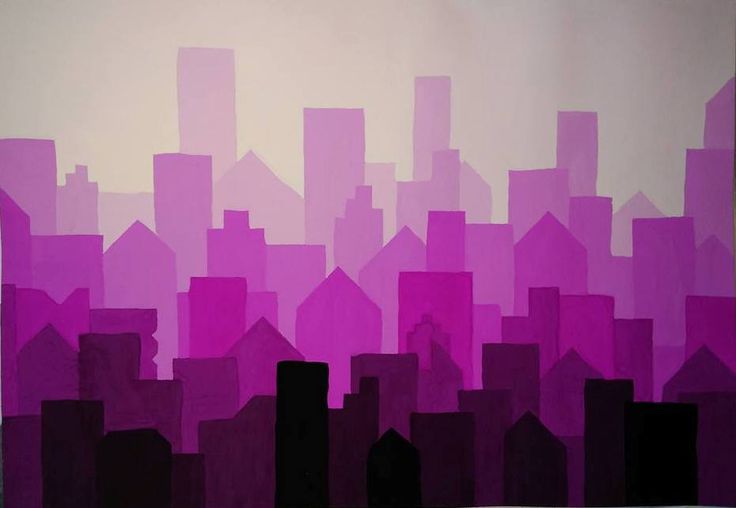


Oh! And here’s a cool technique for creating stunning cityscapes, mountainscapes, and seascapes: it’s called the Value Scale. Watch our elementary school art teacher, Ms. Damelio, show you how it’s done!:
june 9 2025
Sooooo we’re reaching the end of the year! While it’s not on the menu, I’d like to give you the opportunity to write THANK YOU cards to the positive people in your life. This can be a friend, teacher, coach, family member, or any other special person. There are so many ways to create a card, and here are some examples:
¡Ya casi termina el año! Aunque no está en el menú, me gustaría darles la oportunidad de escribir tarjetas de agradecimiento a las personas positivas en su vida. Puede ser un amigo, un maestro, un entrenador, un familiar o cualquier otra persona especial. Hay muchísimas maneras de crear una tarjeta, y aquí tienen algunos ejemplos:


To create a card, we’ll be learning some watercolor techniques:
Para crear una tarjeta, aprenderemos algunas técnicas de acuarela:
This video shows 12 techniques, but we’re going to focus on 6 of them this week. Use a permanent marker (or tape) to create 6 squares on your watercolor paper.
Este video muestra 12 técnicas, pero esta semana nos centraremos en 6. Usa un marcador permanente (o cinta adhesiva) para crear 6 cuadrados en tu papel de acuarela.
Technique #4: Lifting off— You’ll need a scrunched paper towel
Técnica n.° 4: Despegue– Necesitarás una toalla de papel arrugada.

Technique #6: Rubbing Alcohol— You’ll need a Q-tip and rubbing alcohol
Técnica n.° 6: alcohol isopropílico– Necesitarás un hisopo y alcohol isopropílico.

Technique #7: Sgrafitto— You’ll need a nail
Técnica n.° 7: Esgrafiado— Necesitarás un clavo

Technique #9: Splatter— Don’t shake the brush, just run your finger across the bristles.
Técnica n.° 9: Salpicaduras— No agite el cepillo, simplemente pase el dedo por las cerdas.

Technique #11: Wax Resist— You’ll need a candle
Técnica n.° 11: Resistencia a la cera— Necesitarás una vela

Technique #12: Pen and color— You’ll need a permanent marker
Técnica #12: Lápiz y color-– You’ll need a permanent marker

Here are a couple of examples from Island School Students:
A continuación se muestran un par de ejemplos de estudiantes de Island School:


Your card might also include interesting marks or patterns. Here are a couple of good videos filled with examples:
Tu tarjeta también podría incluir marcas o patrones interesantes. Aquí tienes un par de buenos vídeos con ejemplos:
Let’s try some techniques out:
Probemos algunas técnicas:
V’s:

4 Lines:
4 líneas:

Galaxy Star:
Estrella de la galaxia

3D Tubes:
Tubos 3D:

Bubbles:
Burbujas:

Tunnels:
Túneles:

Here are some examples of Salk Middle School’s student work using their Mark Making skills:
A continuación se muestran algunos ejemplos de trabajos de estudiantes de secundaria que utilizan sus habilidades para hacer marcas:


Now that you’ve learned some cool techniques, use them to create a card for a teacher, friend, family member or other positive connection you’ve had this year. Here are some ideas of what to write:
Ahora que has aprendido algunas técnicas geniales, úsalas para crear una tarjeta para un maestro, amigo, familiar u otra persona con la que hayas tenido una relación positiva este año. Aquí tienes algunas ideas de qué escribir:
june 2 2025
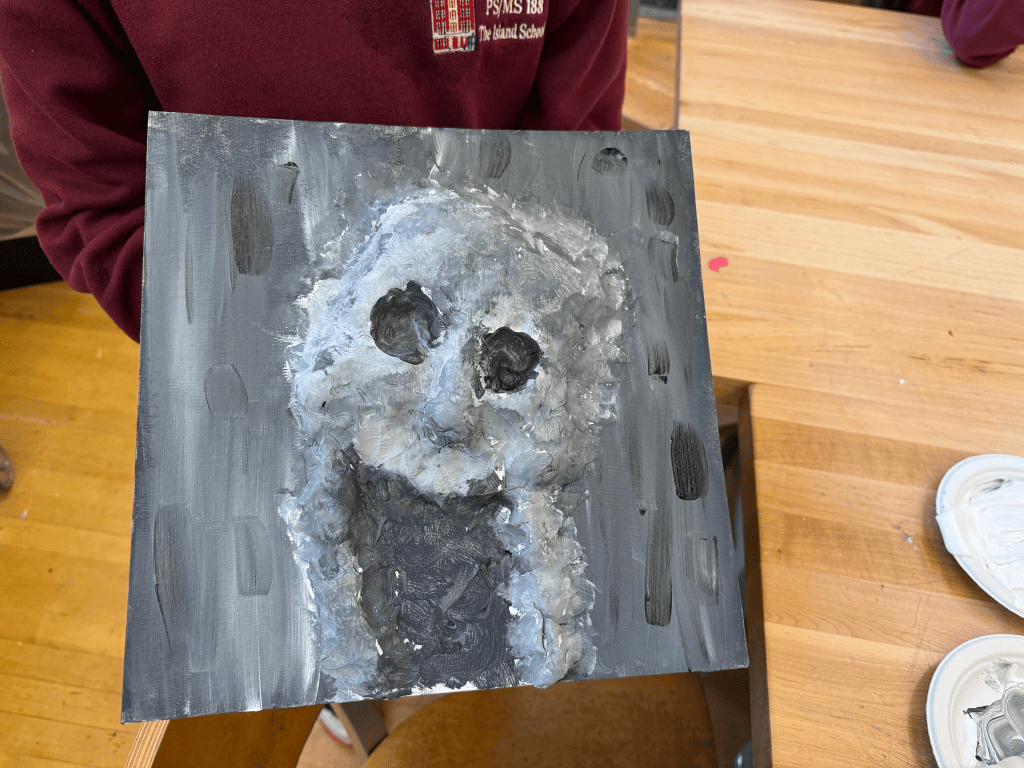
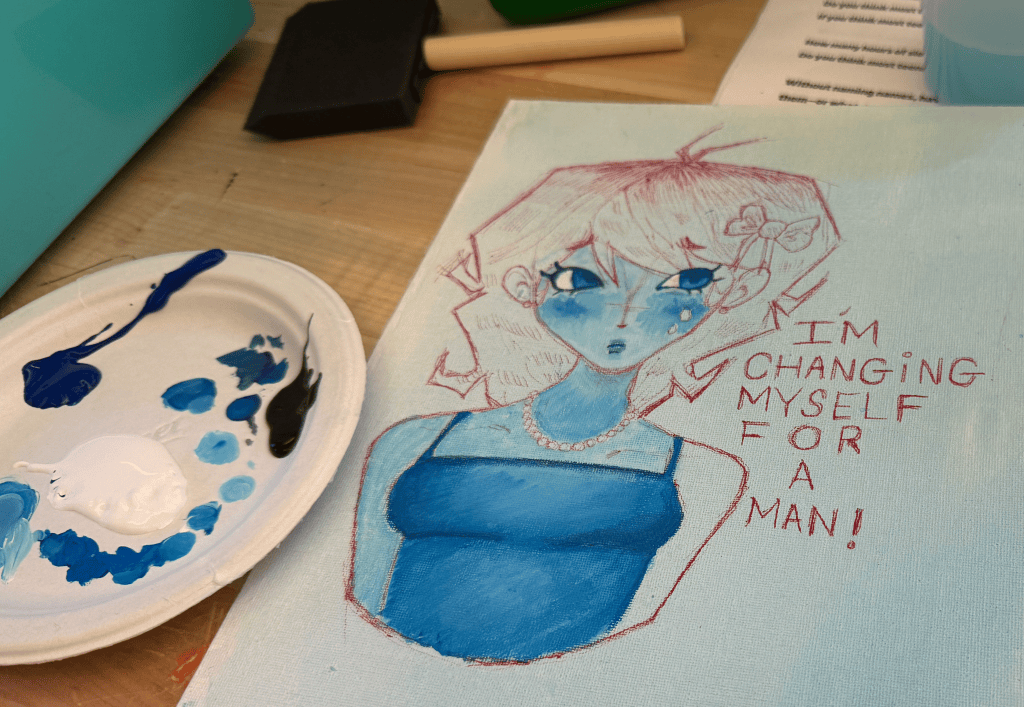
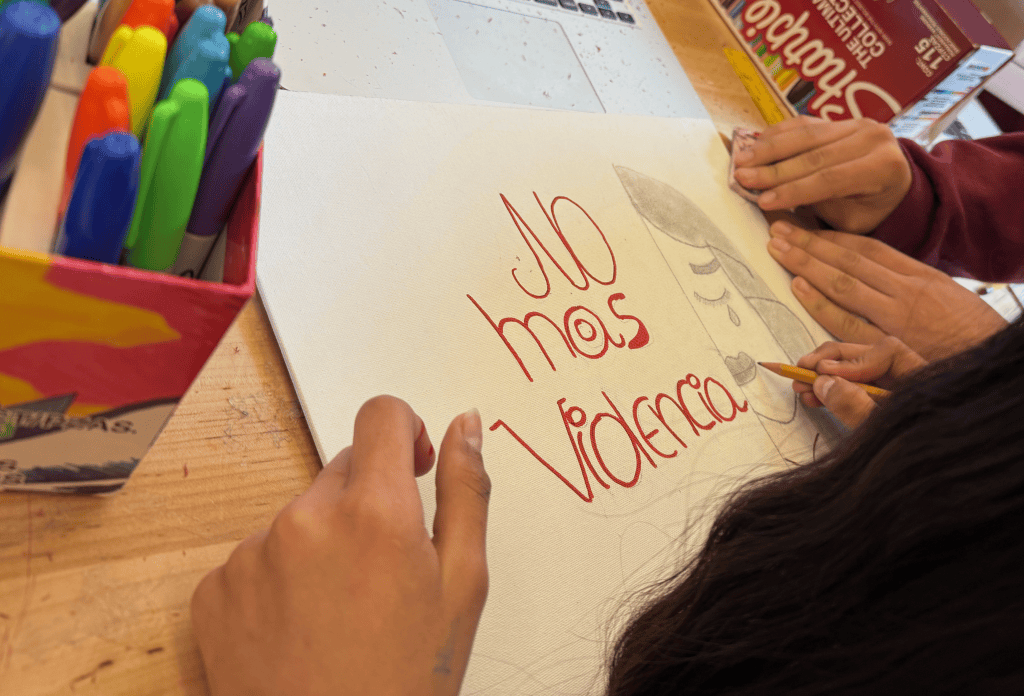
Talking about Domestic Violence is not easy- especially when you’ve gone through it. One of our former students wrote a powerful song about his experience. Listen here:
Hablar sobre violencia doméstica no es fácil, sobre todo cuando ya la has vivido. Uno de nuestros exalumnos escribió una canción conmovedora sobre su experiencia. Escúchala aquí:
Here’s another teen talking about her struggles with an abusive father:
may 28 2025
Quick note: The Tech Cafe has partnered with an education company called Blossom. They are having a Storytelling Contest where you can create a book about any social issue we’ve covered in our Makerspace. If selected, they will publish your book for all the world to see (and get a gift card 🎁).
Nota rápida: El Tech Café se ha asociado con Blossom, una empresa educativa. Organizan un concurso de narración donde puedes crear un libro sobre cualquier tema social que hayamos abordado en nuestro Makerspace. Si eres seleccionado, publicarán tu libro para que todo el mundo lo vea (y recibirás una tarjeta de regalo 🎁).


Also, here’s a little stop motion movie in progress that talks about the importance of having your own life outside a relationship:
Además, aquí hay una pequeña película stop motion en progreso que habla sobre la importancia de tener una vida propia fuera de una relación:
may 27 2025


Last week, we watched two films about abusive relationships. As we witnessed the emotional and physical abuse happen, many of us asked the same question: Why doesn’t she just leave?
La semana pasada vimos dos películas sobre relaciones abusivas. Al presenciar el abuso emocional y físico, muchos nos hicimos la misma pregunta: ¿Por qué no se va?
The truth is, it’s not that simple. Sometimes, the person believes the abuser will change—or they’ve been made to feel worthless and powerless. Other times, the abuser controls their money or threatens to take away the children. And in many cases, fear plays a major role: Where will I go? How will I survive? What if they hurt me even more if I try to leave?
La verdad es que no es tan sencillo. A veces, la persona cree que el abusador cambiará, o la han hecho sentir inútil e impotente. Otras veces, el abusador controla su dinero o amenaza con quitarle a los niños. Y en muchos casos, el miedo juega un papel importante: ¿Adónde iré? ¿Cómo sobreviviré? ¿Y si me hacen aún más daño si intento irme?
That’s why, when someone chooses to leave an abusive relationship, it’s important they have a plan—a way to exit safely and with support.
Por eso, cuando alguien decide abandonar una relación abusiva, es importante que tenga un plan: una forma de salir de forma segura y con apoyo.


How about creating a Stop Motion Lego Animation (Tech Cafe Menu Item #6) where someone safely leaves their unhealthy relationship?
¿Qué tal crear una animación Lego en Stop Motion (elemento del menú de Tech Cafe n.° 6) en la que alguien abandona de forma segura su relación poco saludable?
may 19 2025
Over the past 3 weeks, we’ve been learning about ways to recognize you’re in an abusive relationship and walk away before it’s gone too far. We learned there is a number you can call when a friend or loved one (or you!) needs help: 1.800.799.SAFE (7233)
Hemos estado hablando sobre cómo reconocer que estás en una relación abusiva y alejarte antes de que sea demasiado. Descubrimos que hay un número al que puedes llamar cuando un amigo o un ser querido (¡o tú!) necesita ayuda: 1.800.799.SAFE (7233)
But often, when people are trapped in an abusive relationship, they do not share with others what is going on. It’s like they are wearing a mask that, on the outside, tells everyone things are OK. But on the inside, they are filled with darkness. Let’s take a moment to shine a light on these masks to show those who are experiencing DV that they are not alone.
Pero a menudo, cuando las personas están atrapadas en una relación abusiva, no comparten con los demás lo que les sucede. Es como si llevaran una máscara que, por fuera, les dice a todos que todo está bien. Pero, por dentro, están llenas de oscuridad. Tomemos un momento para arrojar luz sobre estas máscaras y mostrarles a quienes sufren violencia doméstica que no están solos.

What do the wires and lock symbolize in this mask?
¿Qué simbolizan los cables y el candado en esta máscara?
may 15 2025


Here are some of the cool projects coming from our Positive Connections Unit!
¡Aquí se muestran algunos de los proyectos geniales que surgen de nuestra Unidad de Conexiones Positivas!
We’ve been exploring signs of healthy and unhealthy relationships. In abusive relationships, there’s often a repeating pattern called The Cycle of Unhealthy Relationships. Here’s what it looks like:
Hemos estado explorando las señales de relaciones sanas y no sanas. En las relaciones abusivas, suele haber un patrón repetitivo llamado “El Ciclo de las Relaciones No Sanas”. Así es como se ve:


For item #6 of the Tech Cafe Menu, you are asked to create a stop motion animation about the signs of an abusive or healthy relationship. Please remember that a relationship is a connection between two people and can also include friendship.
So, while the example below is a Lego stop motion animation about an unhealthy relationship between a husband and wife, feel free to do it about friendships as well.
Para el artículo n.° 6 del menú del Tech Cafe, se le pide crear una animación stop motion sobre las señales de una relación abusiva o sana. Recuerde que una relación es una conexión entre dos personas y también puede incluir la amistad.
Entonces, si bien el ejemplo a continuación es una animación stop motion de Lego sobre una relación poco saludable entre un esposo y una esposa, siéntete libre de hacerlo también sobre amistades.
may 13 2025
When you’re entering into a relationship, it is important to know what makes you feel safe, happy, and comfortable with a person, and what feels too fast, scary, or uncomfortable. Being honest with your new special someone is called setting boundaries.
Al iniciar una relación, es importante saber qué te hace sentir seguro, feliz y cómodo con esa persona, y qué te resulta demasiado apresurado, intimidante o incómodo. Ser honesto con tu nueva pareja se llama establecer límites.
When we looked at the cute little characters in the One Love Couplets, we saw one character often crossing boundaries in the other’s life– not letting them spend time with other people, getting in the way of their studies, showing their pictures without permission, and even stalking them.
Cuando observamos a los simpáticos personajes de One Love Couplets, vimos que uno de ellos a menudo cruzaba los límites en la vida del otro: no le permitía pasar tiempo con otras personas, se interponía en sus estudios, mostraba sus fotos sin permiso e incluso lo acechaba.

When your partner frequently crosses boundaries, it is a RED FLAG.
Here’s a StoryBoard with some examples:

Let’s dive deeper into the idea of boundaries.
Imagine if I were to do this activity:
- Fist bump someone sitting next to you
- Now, lean on each other’s shoulders
- Now, go forehead to forehead
Profundicemos en la idea de los límites.
Imagínate si hiciera esta actividad:
- Choca el puño con alguien que esté sentado a tu lado
- Ahora, apóyense el uno en el otro.
- Ahora, ve frente a frente.
When I say that last one, your reaction is likely to be “UH…NO!!!” Welp, this is the idea of crossing boundaries. In Unhealthy relationships, the abuser often crosses boundaries. It’s important at the beginning of a relationship to set boundaries, call out your partner when they cross them, and leave if they keep crossing them. Here are a few boundaries to discuss with your partner:

Cuando digo esto último, probablemente tu reacción sea “¡Uh… no!”. Bueno, esta es la idea de cruzar los límites. En las relaciones no saludables, el abusador suele cruzar los límites. Es importante, al principio de una relación, establecer límites, señalar a tu pareja cuando los cruza y marcharte si los sigue cruzando. Aquí tienes algunos límites para hablar con tu pareja:

Not into relationships? Click HERE to see some tips for healthy friendships.
¿No te gustan las relaciones? Haz clic AQUÍ para ver algunos consejos para amistades sanas.
may 12 2025

Here’ a video to get our conversation going about domestic violence this week. If it’s too intense for you, feel free to put your head down or look away:
Aquí tienes un video para iniciar nuestra conversación sobre la violencia doméstica esta semana. Si te resulta demasiado intenso, puedes bajar la vista o mirar hacia otro lado.
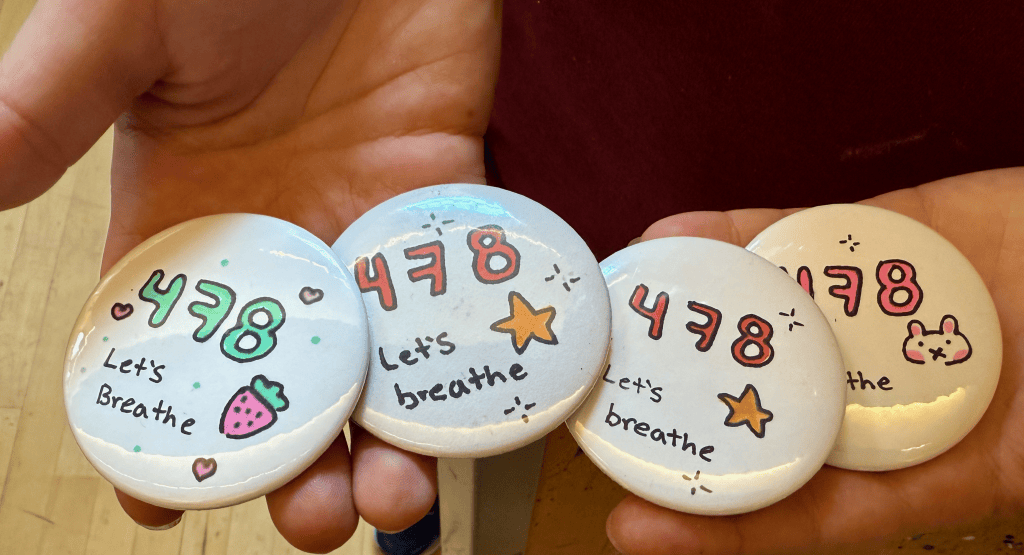
At the end of this video, they display the Domestic Violence Hotline: 1.800.799.SAFE (7233). Can you make art advertising this number?
Al final de este video, se muestra la Línea Directa de Violencia Doméstica: 1.800.799.SAFE (7233). ¿Podrías hacer arte para anunciar este número?


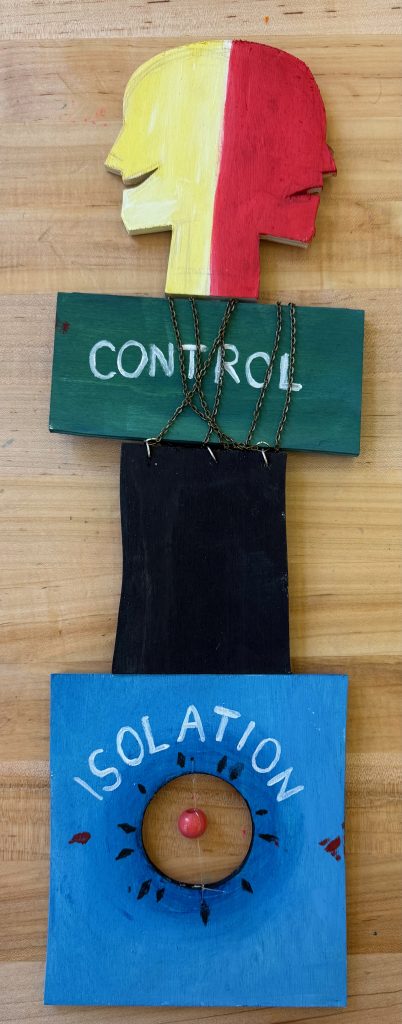
Indigenous people used totems to tell stories and show what mattered—now it’s your turn. Stack and decorate wood pieces to show what a healthy or unhealthy relationship feels like. Use the scrollsaw to create the shapes you dream up.
Healthy totems might show honesty, independence, and kindness.
Unhealthy ones might show control, isolation, and betrayal.
Los indígenas usaban tótems para contar historias y mostrar lo que importaba; ahora te toca a ti. Apila y decora piezas de madera para mostrar cómo se siente una relación sana o no. Usa la sierra de calar para crear las formas que imagines.
Los tótems saludables pueden mostrar honestidad, independencia y amabilidad.
Los no saludables pueden mostrar control, aislamiento y traición.
Here is a ChatGPT-made image of what it could look like– can’t wait to see what you make in real life!
Aquí hay una imagen hecha con ChatGPT de cómo podría verse: ¡no puedo esperar a ver lo que haces en la vida real!

Here are some examples of shapes you can make. Can you think of how they connect with healthy relationships?
Aquí tienes algunos ejemplos de formas que puedes crear. ¿Se te ocurre cómo se relacionan con las relaciones saludables?


may 5 2025
So far in our Positive Connections unit, we’ve been talking about the way we speak to ourselves—how those inner voices can either lift us up or tear us down—and how that affects how we feel. We also started exploring how we talk to the people around us. Whether you’re being passive, aggressive, or clear and direct, the way you communicate can help you feel heard… or leave you feeling upset.
Hasta ahora, en nuestra unidad de Conexiones Positivas, hemos hablado sobre cómo nos hablamos a nosotros mismos —cómo esas voces internas pueden animarnos o deprimirnos— y cómo esto afecta nuestros sentimientos. También comenzamos a explorar cómo nos comunicamos con quienes nos rodean. Ya sea que te muestres pasivo, agresivo o claro y directo, tu forma de comunicarte puede ayudarte a sentirte escuchado… o a disgustarte.
Now we’re going to shift gears and talk about relationships. Some of you haven’t started dating yet, and that’s totally fine—but it’s still important to learn how to treat someone with care and respect, and how to recognize if you’re not being treated right in return. Unfortunately, a lot of people know someone who’s been in an unhealthy relationship, including ones involving abuse.
Ahora vamos a cambiar de tema y hablar de relaciones. Algunos de ustedes aún no han empezado a salir con alguien, y eso está bien, pero aun así es importante aprender a tratar a alguien con cariño y respeto, y a reconocer si no se les trata bien. Desafortunadamente, mucha gente conoce a alguien que ha estado en una relación poco saludable, incluso con abuso.
This part of the unit includes some heavy topics. If any of the videos feel like too much, you can quietly raise your hand and go with an adult to take a quick break and get water. If no adult is available, it’s okay to simply turn away or put your head down for a moment. You don’t have to watch everything—but I want you to stay with us in the room so we can talk about it together.
Esta parte de la unidad incluye temas complejos. Si alguno de los videos te parece demasiado, puedes levantar la mano en silencio e ir con un adulto a tomar un descanso rápido y buscar agua. Si no hay ningún adulto disponible, puedes simplemente darte la vuelta o agachar la cabeza un momento. No tienes que verlo todo, pero quiero que te quedes con nosotros en la sala para que podamos hablarlo juntos.
OK! So let’s begin the discussion by looking at the 10 Signs of a Healthy Relationship and 10 Sign of an Unhealthy Relationship:
¡Bien! Comencemos la conversación analizando las 10 señales de una relación sana y las 10 señales de una relación no sana:


Now, let’s watch this video and see if you can spot each one:
Ahora, veamos este video y veamos si puedes identificar cada uno:


april 28
Here’s what a few Island Schoolers have been up to for our Positive Connections Unit:


We spent last week discussing strategies for dealing with anxiety and handling negative emotions when they stick around for a long time– affecting our sleep, our school work, and our relationships. One strategy was to talk to a trusted adult or a therapist. Several students pointed out that they don’t have people like that in their lives.
La semana pasada, hablamos sobre estrategias para lidiar con la ansiedad y manejar las emociones negativas cuando persisten durante mucho tiempo, afectando nuestro sueño, nuestro rendimiento escolar y nuestras relaciones. Una estrategia fue hablar con un adulto de confianza o un terapeuta. Varios estudiantes comentaron que no conocen a personas así en sus vidas.
Well, while it doesn’t take the place of having a trusted adult or therapist, chatting with an AI can sometimes give you the advice you need to begin to feel better. Go to Chat.openai.com to try it out. Use one of these conversation starters to get you going.
Bueno, aunque no reemplaza a un adulto o terapeuta de confianza, chatear con una IA a veces puede darte los consejos que necesitas para empezar a sentirte mejor. Visita Chat.openai.com para probarlo. Usa uno de estos iniciadores de conversación para empezar.
So! Did ChatGPT seem like a good therapist? Why or why not?
¡Entonces! ¿Te pareció que ChatGPT era un buen terapeuta? ¿Por qué sí o por qué no?
For those of you creating paintings, collages, embroidery, or dreamcatchers, here are some mantras you can include:
Para aquellos que crean pinturas, collages, bordados o atrapasueños, aquí hay algunos mantras que pueden incluir:
Here are some cool letter styles you can use to create your mantra art.
Aquí tienes algunos estilos de letras geniales que puedes usar para crear tu arte de mantra.


Finally, today I want to share two poems by Francine:
april 22
Small update to the menu! For those of you itching for a new craft, check out the Dream Catcher below:

¡Pequeña actualización del menú! Si te apetece una nueva manualidad, echa un vistazo al Atrapasueños a continuación:

april 21
It’s time to talk about Depression and Anxiety. Sometimes, the negative voice in our head is loud and convincing. It pulls us into thought traps that can be tough to escape. We put on gloomy glasses and notice only what’s wrong around us. We call ourselves hurtful names or feel like one bad moment will follow us forever. This can drain our happiness, hurt our confidence, mess with our sleep, and affect how we do in school and relate to friends and family.
If these feelings stick around for weeks, you might be experiencing Depression—and you’re definitely not alone.
Over the years, many students have explored these ideas through music. Here’s Kayleen, a student from a few years ago, bravely sharing her struggle with depression and how a friend helped her navigate through the hardest times.
Es hora de hablar sobre la depresión y la ansiedad. A veces, la voz negativa en nuestra cabeza es fuerte y convincente. Nos arrastra a trampas mentales de las que puede ser difícil escapar. Nos ponemos gafas pesimistas y solo nos fijamos en lo que está mal a nuestro alrededor. Nos insultamos o sentimos que un mal momento nos perseguirá para siempre. Esto puede mermar nuestra felicidad, perjudicar nuestra confianza, afectar nuestro sueño y afectar nuestro rendimiento escolar y nuestra relación con amigos y familiares.
Si estos sentimientos persisten durante semanas, es posible que estés sufriendo depresión, y definitivamente no estás solo.
A lo largo de los años, muchos estudiantes han explorado estas ideas a través de la música. Aquí está Kayleen, una estudiante de hace unos años, quien comparte con valentía su lucha contra la depresión y cómo una amiga la ayudó a superar los momentos más difíciles.
So what can you do about it, if you’re depressed? Let’s start by watching some of these videos:
¿Qué puedes hacer si estás deprimido? Empecemos por ver este video:

As we continue talking about stopping that negativity monster, there is a new May menu item: Dreamcatcher. Dreamcatchers are designed to trap negative thoughts and only allow good thought through. Here’s a little more on them:
Mientras seguimos hablando de cómo detener a ese monstruo de la negatividad, hay un nuevo artículo en el menú de mayo: el Atrapasueños. Los atrapasueños están diseñados para atrapar pensamientos negativos y solo dejar pasar los buenos. Aquí tienes un poco más de información sobre ellos:
If you’re interested in creating your own, here’s a tutorial:
Si estás interesado en crear el tuyo propio, aquí tienes un tutorial:
Once you thread your dreamcatcher, make metal charms stamped with positive mantras to hang on the ends. Here’s how:
Una vez que hayas enhebrado tu atrapasueños, crea dijes metálicos con mantras positivos estampados para colgarlos en los extremos. Así es como se hace:
april 7
Funny enough, embroidery wasn’t even listed on this month’s Tech Café menu—but that didn’t stop students from (re)discovering it as a powerful and creative way to bring their inner heroes to life. I’ll be posting some of their amazing new work later this week.
Curiosamente, el bordado ni siquiera figuraba en el menú del Tech Café de este mes, pero eso no impidió que los estudiantes lo (re)descubrieran como una forma poderosa y creativa de dar vida a sus héroes internos. Publicaré algunos de sus increíbles nuevos trabajos más adelante esta semana.
In the meantime, here are a few pieces from a few years back that still inspire:
Mientras tanto, aquí hay algunas piezas de hace unos años que todavía me inspiran:


Embroidery is a craft that’s been around for thousands of years—Humans have used thread and fabric to tell stories, decorate clothing, and express who they are. Most students have started with a simple running stitch, but there are hundreds of other stitches out there to explore.
El bordado es una artesanía con miles de años de historia. Los humanos han usado hilo y tela para contar historias, decorar ropa y expresar su identidad. La mayoría de los estudiantes han comenzado con una simple puntada continua, pero existen cientos de otras puntadas para explorar.
If any of these catch your eye, try searching for a tutorial on YouTube to learn how to do it:
Si alguno de estos te llama la atención, intenta buscar un tutorial en YouTube para aprender a hacerlo:


Here are a couple of my favorite tutorials:
We’ve been exploring how to battle the negativity monsters that live inside us—and how to replace their voices with positive mantras that build us up instead of tear us down.
Hemos estado explorando cómo luchar contra los monstruos de la negatividad que viven dentro de nosotros y cómo reemplazar sus voces con mantras positivos que nos fortalecen en lugar de derribarnos.
Last week, I asked some students: “Why do we even have these monsters in the first place?”
La semana pasada, pregunté a algunos estudiantes: “¿Por qué tenemos estos monstruos en primer lugar?”
Some said those negative thoughts might be a way to protect ourselves from failure or disappointment—like if we say it first, it won’t hurt as much when someone else says it, or when things don’t go our way. Others thought they show up to keep us humble, so we don’t get too full of ourselves. I think there’s truth in both of those ideas.
Algunos decían que esos pensamientos negativos podían ser una forma de protegernos del fracaso o la decepción; por ejemplo, si lo decimos primero, no dolerá tanto cuando alguien más lo diga o cuando las cosas no salgan como queremos. Otros pensaban que aparecen para mantenernos humildes, para que no nos envanezcamos demasiado. Creo que ambas ideas son ciertas.
But I also believe there’s another reason: we live in a world—especially online—where we’re constantly comparing ourselves to others. Social media can make us feel like we’re not smart enough, attractive enough, talented enough… just not enough. And when we hear those outside messages over and over, they can start to sound like our own inner voice.
Pero también creo que hay otra razón: vivimos en un mundo, sobre todo en línea, donde nos comparamos constantemente con los demás. Las redes sociales pueden hacernos sentir que no somos lo suficientemente inteligentes, atractivos, talentosos… simplemente no lo suficiente. Y cuando escuchamos esos mensajes externos una y otra vez, pueden empezar a sonar como nuestra propia voz interior.
Now that we’ve got this conversation going, how about continuing it with a Podcast or Documentary? Here are some interview questions you can use:
Ahora que ya tenemos esta conversación en marcha, ¿qué tal si la continuamos con un podcast o un documental? Aquí tienes algunas preguntas de entrevista que puedes usar:
april 1

Now that we’ve uncovered our inner monsters and seen their toxic, messed-up messages, it’s time to fight back. We don’t have to listen to those voices anymore. We can destroy these monsters.
Ahora que hemos descubierto a nuestros monstruos internos y visto sus mensajes tóxicos y perversos, es hora de contraatacar. Ya no tenemos por qué escuchar esas voces. Podemos destruir a estos monstruos.
The only way to do it? Call up your inner hero.
¿La única manera de lograrlo? Invoca a tu héroe interior.
And just so you know—this hero isn’t made up—it’s already inside you.
Y para que lo sepas, este héroe no es inventado: ya está dentro de ti.
Its power comes from real truth and positive energy—the kind that lifts you, hypes you up, and reminds you who you actually are.
Su poder proviene de la verdad real y de la energía positiva: la que te eleva, te anima y te recuerda quién eres en realidad.


Like casting a spell in Harry Potter, we’re going to conjure this hero. What does yours look like?
Como si lanzara un hechizo en Harry Potter, vamos a conjurar a este héroe. ¿Cómo es el tuyo?
Here are some templates if you need help getting started. But there’s the one rule: if you use one, you CANNOT color it with markers or paint.
Your challenge is to build your hero using other materials—colored paper, fabric, foil, wire, string, wood, beads—whatever you can find in the Tech Café.
Aquí tienes algunas plantillas por si necesitas ayuda para empezar. Pero hay una regla:
Si usas uno, NO PUEDES colorearlo con marcadores o pintura.
Tu desafío es construir tu héroe usando otros materiales (papel de colores, tela, papel de aluminio, alambre, hilo, madera, cuentas) o cualquier cosa que puedas encontrar en el Tech Café.


Once you create your inner hero, give them the power to defend you and boost your spirits. To do this, create a MANTRA. A mantra is a message you say again and again. It acts as a charm or spell to bring to power up your hero and arm it with weapons. Here are some examples:
Una vez que crees a tu héroe interior, dale el poder de defenderte y animarte. Para ello, crea un MANTRA. Un mantra es un mensaje que repites una y otra vez. Actúa como un amuleto o hechizo para fortalecer a tu héroe y equiparlo con armas. Aquí tienes algunos ejemplos:
Also! This month, I’ll be offering a BIG prize to anyone brave enough to create a song about positive connections. Use one of the templates below to get you started:
¡Y además! Este mes, les daré un GRAN premio a quienes se animen a crear una canción sobre conexiones positivas. Usen una de las plantillas a continuación para empezar:
march 23


We’ve now created our inner monster—the one who whispers (or yells!) things that make us feel awful. But where does this monster get its power? From Thought Traps: tricky, sneaky patterns of thinking that feel true but actually aren’t.
Ya hemos creado a nuestro monstruo interior—ese que susurra (¡o grita!) cosas que nos hacen sentir mal. Pero, ¿de dónde saca su poder este monstruo? De las Trampas Mentales: formas de pensar engañosas que parecen ciertas, pero en realidad no lo son.
When you know these traps, you start to see through the monster’s tricks. Here are five common ones you might recognize:
Cuando conoces estas trampas, puedes ver a través de los trucos del monstruo. Aquí tienes cinco trampas comunes que quizás reconozcas:
🧠 Five Thought Traps that Feed Your Monster
🧠 Cinco Trampas Mentales que Alimentan a Tu Monstruo
1. The “All-or-Nothing” Trap (Perfect or Fail)
“I didn’t score a goal today, I’m the worst player ever.”
1. La Trampa del “Todo o Nada” (Perfecto o Fracaso)
“No metí un gol hoy, soy el peor jugador del mundo.”
2. The “Forever” Trap (One Mistake Means Always)
“I messed up that TikTok dance—I’m always going to embarrass myself.”
2. La Trampa del “Para Siempre” (Un error significa siempre)
“Bailé mal en ese TikTok—siempre voy a dar pena.”
3. The “Gloomy Glasses” Trap (Only Seeing the Bad)
“My friends said they liked my outfit, but one kid made a face, so now I think I look terrible.”
3. La Trampa de los “Lentes Oscuros” (Solo ves lo malo)
“Mis amigos dijeron que les gustó mi ropa, pero un chico hizo una cara rara, así que ahora creo que me veo fatal.”
4. The “Name-Caller” Trap (Labeling Yourself)
“I dropped my lunch tray; I’m so clumsy and embarrassing.”
4. La Trampa del “Apodo Feo” (Ponerte una etiqueta negativa)
“Se me cayó la bandeja del almuerzo; soy tan torpe y vergonzoso.”
5. The “Disaster Movie” Trap (Imagining the Worst)
“If I talk in class, everyone will laugh, the teacher will get mad, and I’ll never have friends again.”
5. La Trampa de la “Película de Desastre” (Imaginar lo peor)
“Si hablo en clase, todos se van a reír, la maestra se va a enojar, y nunca voy a tener amigos.”
Let’s test your understanding of Thought Traps with this Kahoot!:
¡Pongamos a prueba tu comprensión de las trampas del pensamiento con este Kahoot!:

march 23
Over the past two weeks we’ve learning about healthy and toxic ways to communicate with friends and family. This week let’s turn the conversation to how we talk to ourselves. It’s important to know that EVERYONE TALKS TO THEMSELVES. We started when we were young children and never stopped! Talking to yourself helps you to:
Durante las últimas dos semanas, hemos aprendido sobre maneras saludables y tóxicas de comunicarnos con amigos y familiares. Esta semana, hablemos de cómo nos hablamos a nosotros mismos. Es importante saber que TODOS HABLAMOS CON NOSOTROS MISMOS. Empezamos de pequeños y ¡nunca paramos! Hablar contigo mismo te ayuda a:
Keep organized: What was I supposed to bring to school today…
Mantente organizado: ¿Qué se supone que debía llevar a la escuela hoy…
Get you motivated: C’mon, don’t be scared, do it, do it…..
Motívate: Vamos, no tengas miedo, hazlo, hazlo…..
Deal with BIG feelings: It’s no big deal, you’ve got other friends. This sucks, but it won’t last forever.
Lidia con los sentimientos fuertes: No es para tanto, tienes otros amigos. Esto es una lástima, pero no durará para siempre.
Plan things out: OK, first I have to get control of the ball, then fake going left and dribble it to the right.
Planifica las cosas: Bien, primero tengo que controlar la pelota, luego fingir que voy hacia la izquierda y driblarla hacia la derecha.


But sometimes, that helpful voice inside of you can turn harmful. Instead of coaching you, it can turn into a bully. It:
Pero a veces, esa voz interior que te ayuda puede volverse dañina. En lugar de guiarte, puede convertirse en un acosador.
Criticizes you over and over again and ignores the good things: You look so stupid in that shirt…why’d you sound like that?…See, you’re always saying stupid stuff…
Te critica una y otra vez e ignora las cosas buenas: Te ves tan estúpido con esa camisa… ¿por qué sonas así?… Mira, siempre estás diciendo cosas estúpidas…
Imagines the worst possible things happening, instead of imagining the best: Don’t do that flip, you’re literally going to fall on your face and people are going form a circle around you, point down, and laugh uncontrollably.
Imagina que suceden las peores cosas posibles, en lugar de imaginar lo mejor: No hagas esa voltereta, literalmente te caerás de cara y la gente formará un círculo a tu alrededor, señalará hacia abajo y se reirá sin control.
Replays, bad events on a loop, not letting you move on: …then you aked if they wanted to go to see the movie and they were like, “nah, I’m good”. …then you aked if they wanted to go to see the movie and they were like, “nah, I’m good”….
Repeticiones, malos eventos en bucle, que no te permiten avanzar: …luego les preguntaste si querían ir a ver la película y dijeron: “no, estoy bien”. …luego les preguntaste si querían ir a ver la película y dijeron: “no, estoy bien”…
Ok, so now you’re getting a sense of who this inner critic is. We’ve been talking about symbols lately. Can you create a symbol for that monstrous inner critic? Copy one of the symbols here or CREATE your own!
Bien, ahora ya te haces una idea de quién es este crítico interno. Últimamente hemos estado hablando de símbolos. ¿Puedes crear un símbolo para ese monstruoso crítico interno? ¡Copia uno de los símbolos aquí o CREA el tuyo!


march 17
On Friday, I had a really wonderful experience with a group of 7th-grade students (shout-out to 7A!). I was showing them some collage ideas and asking them the symbols that each one represented. Instead of saying obvious things like “a heart represents love”, they dug deeper and talked about how hearts sewn with thread represent healing. They saw two pencils, one black, the other yellow and wrapped with thread, as a symbol of two friends: one who can’t express their emotions or creativity, the other one who feels free to do so….and so much more. What do you see in these collages and how could you recreate your own versions?
El viernes, tuve una experiencia maravillosa con un grupo de alumnos de séptimo grado (¡un saludo a 7A!). Les mostré algunas ideas para collages y les pregunté qué símbolos representaba cada uno. En lugar de decir cosas obvias como “un corazón representa el amor”, profundizaron y hablaron sobre cómo los corazones cosidos con hilo representan la sanación. Vieron dos lápices, uno negro y otro amarillo, envueltos en hilo, como símbolo de dos amigos: uno que no puede expresar sus emociones ni su creatividad, el otro que se siente libre de hacerlo… y mucho más. ¿Qué ven en estos collages y cómo podrían recrear sus propias versiones?

As I thought about the symbols in the collage and how insightful these 7th graders were, it reminded me of my favorite artist: Frida Kahlo– whose work is full of symbols. If you have access to Flocabulary (Island Schoolers: use your island188.org account), click on the image above to learn more. Here are two pieces by Frida, what symbols do you see?
Al pensar en los símbolos del collage y en lo perspicaces que eran estos alumnos de séptimo grado, me acordé de mi artista favorita: Frida Kahlo, cuya obra está llena de símbolos. Si tienen acceso a Flocabulary (Island Schoolers: usen su cuenta de island188.org), hagan clic en la imagen de arriba para obtener más información. Aquí hay dos piezas de Frida, ¿qué símbolos ven?

- Why do you think Frida painted herself as a deer instead of a person? // ¿Por qué crees que Frida se pintó como un ciervo en lugar de como una persona?
- What do the arrows symbolize, and how might they connect to Frida’s life? // ¿Qué simbolizan las flechas y cómo podrían conectarse con la vida de Frida?
- If this painting were part of a story, what would happen next? // If this painting were part of a story, what would happen next?

- What do you think the dead hummingbird represents? // ¿Qué crees que representa el colibrí muerto?
- Why do you think Frida painted the thorns around her neck—what might they symbolize? // ¿Por qué crees que Frida pintó las espinas alrededor de su cuello? ¿Qué podrían simbolizar?
- How do the animals in the painting (the black cat, the monkey, the butterflies) add to the story or mood? // ¿Cómo contribuyen los animales de la pintura (el gato negro, el mono, las mariposas) a la historia o al estado de ánimo?
Let’s learn a little more about symbols:
Aprendamos un poco más sobre los símbolos:
…and as we continue to talk about what it means to be a good communicator with friends, family, and other loved ones, let’s review healthy and toxic ways of telling people what we need:
…y mientras continuamos hablando sobre lo que significa ser un buen comunicador con amigos, familiares y otros seres queridos, repasemos las formas saludables y tóxicas de decirle a la gente lo que necesitamos:

march 12
As we gain some momentum on our projects, I wanted to give you a few ideas to keep your projects running at full speed!
A medida que ganamos impulso en nuestros proyectos, ¡quería darles algunas ideas para que sus proyectos sigan funcionando a toda velocidad!

First off, when you’re making your game, think about having squares along the Choose Your Own Adventure story that ask your players TRIVIA about how to create positive relationships and to do ROLE-PLAY about positive relationships. Here are some examples of each:
En primer lugar, al crear tu juego, piensa en incluir casillas a lo largo de la historia de Elige tu Propia Aventura que pregunten a tus jugadores sobre cómo crear relaciones positivas y sobre cómo realizar un juego de rol. Aquí tienes algunos ejemplos:
When it comes to option #3 on the Tech Cafe Menu, making a children’s song– here is an example from Jaden in 6th grade of a remix of Mary Had a Little Lamb.
Cuando se trata de la opción n.° 3 del menú de Tech Café, hacer una canción infantil, aquí hay un ejemplo de Jaden, de sexto grado, de un remix de Mary Had a Little Lamb.


Finally, as you are creating your Collage (Menu Item #6), think about the symbols that represent positive connections. Let’s think through these images and reveal what symbols we see:
Finalmente, mientras creas tu collage (elemento del menú n.° 6), piensa en los símbolos que representan conexiones positivas. Analicemos estas imágenes y descubramos qué símbolos vemos:


Here are some collage ideas using the photo scavenger hunt pictures as an inspiration:
march 10
Now that you are getting used to the idea of Choose Your Own Adventure stories, let’s start making them a little more interesting! The story below is about a student struggling with being herself in spite of classmates making fun of her. The story is a little more detailed than the two we read before and let’s the reader return back to change their choices:
Ahora que ya te estás acostumbrando a la idea de las historias de Elige tu propia aventura, ¡comencemos a hacerlas un poco más interesantes! La historia que sigue trata de una estudiante que lucha por ser ella misma a pesar de que sus compañeros se burlan de ella. La historia es un poco más detallada que las dos que leímos antes y permite que el lector vuelva a ella para cambiar sus elecciones:
Tech Cafe Menu item #3 challenges you to create a playful, catchy song for kids about self-love, making good choices, or being a kind and loyal friend! Here are a few examples of how a song like that could sound:
El elemento n.° 3 del menú de Tech Cafe te desafía a crear una canción divertida y pegadiza para niños sobre el amor propio, la toma de buenas decisiones o cómo ser un amigo amable y leal. A continuación, se muestran algunos ejemplos de cómo podría sonar una canción como esa:
If you’re interested in making your own music, try starting with a simple melody on the keyboard based on a children’s song you already know. Use the letters on the keyboard as a guide. Then change the lyrics to teach kids a lesson on friendship!
Si te interesa crear tu propia música, prueba a empezar con una melodía sencilla en el teclado basada en una canción infantil que ya conozcas. Utiliza las letras del teclado como guía. ¡Luego cambia la letra para enseñarles a los niños una lección sobre la amistad!
Here’s a more advanced song:
march 3
OK! So now that we’ve learned the 3 communication styles, let’s see them in action in this new Choose Your Own Adventure:
¡Muy bien! Ahora que hemos aprendido los tres estilos de comunicación, veámoslos en acción en este nuevo Elige tu propia aventura:
As we turn our Choose Your Own Adventure story into a board game, here’s an idea: what if, along with making choices and moving across the board, there were special spaces for Trivia and Role-Playing? These could give players a chance to answer questions or act out situations from the story, making the game even more fun and interactive. Here are some examples of how you could use them on your board.
A medida que convertimos nuestra historia de Elige tu propia aventura en un juego de mesa, se nos ocurre una idea: ¿qué pasaría si, además de tomar decisiones y moverse por el tablero, hubiera espacios especiales para Trivia y Juegos de rol? Estos espacios podrían dar a los jugadores la oportunidad de responder preguntas o representar situaciones de la historia, lo que haría que el juego fuera aún más divertido e interactivo. A continuación, se muestran algunos ejemplos de cómo podrías usarlos en tu tablero.


FEBRUARY 27 2025
One of the ways to help make our positive connections stronger is to think about the way we communicate with our friends and how they communicate with us. There are 3 communication styles: Passive, Aggressive, and Assertive. Check this out to see them in action:
Una de las formas de fortalecer nuestras conexiones positivas es pensar en la forma en que nos comunicamos con nuestros amigos y en cómo ellos se comunican con nosotros. Existen tres estilos de comunicación: pasivo, agresivo y asertivo. Vea cómo funcionan:
I’m going to give you some scenarios: you choose which way is passive, aggressive, or direct (assertive).
Scenario: Saving a Seat at Lunch
🥪 Emma sees her friend take the last seat at the lunch table.
Emma says, “Hey, I was hoping to sit with you. Mind if we make room or find another table together?”
Emma walks away and sits alone, feeling upset but not saying anything.
Emma yells, “Wow, thanks for ditching me. Guess I’m not your friend anymore!”
Scenario: Texting Miscommunication
📱 Taylor texts their friend asking if they want to hang out, but the friend never responds.
Taylor assumes their friend hates them and doesn’t say anything.
Taylor texts, “Wow, thanks for ignoring me. You’re a fake friend.”
Taylor texts, “Hey, I never heard back. Are you busy or should we make other plans?”
FEBRUARY 24 2025


Here we go! Our new unit is called Positive Connections. We’ll spend time doing activities and creating projects that help us to connect with ourselves and to others in more positive ways.
¡Allá vamos! Nuestra nueva unidad se llama Conexiones positivas. Pasaremos tiempo haciendo actividades y creando proyectos que nos ayuden a conectarnos con nosotros mismos y con los demás de maneras más positivas.
Aquí hay algunas preguntas para iniciar nuestra conversación:
What does a good friendship feel like?
¿Cómo se siente una buena amistad?
How do you know when someone is being a real friend?
¿Cómo saber si alguien es un verdadero amigo?
Have you ever had a friend who made you feel bad, stressed, or uncomfortable? What happened?
What should you do if a friend starts treating you in a way that doesn’t feel right?
¿Qué debes hacer si un amigo comienza a tratarte de una manera que no te parece correcta?
Let’s watch this video to learn more:
Veamos este vídeo para aprender más:
Now let’s start look at a scenario to get the conversation going:
If you had fun with this Choose Your Own Adventure, pick one of the scenarios below and create your own!
Use this form to map out your choices:


FEBRUARY 10 2025
OK! After the break, we will begin a new unit called Positive Connections. This theme will be all about connecting to yourself in positive ways and how to connect to others to build healthy relationships.
Before we get started, we’ll be doing some warm-up exercises. Our first is a Photo Scavenger Hunt. Grab a camera and begin!

¡DE ACUERDO! Después del descanso, comenzaremos una nueva unidad llamada Conexiones Positivas. Este tema tratará sobre cómo conectarse consigo mismo de manera positiva y cómo conectarse con los demás para construir relaciones saludables.
Antes de comenzar, haremos algunos ejercicios de calentamiento. La primera es una búsqueda del tesoro fotográfica. ¡Coge una cámara y empieza!

Monday
tuesday
wednesday
THURSDAY


FEBRUARY 6 2025

We did it! Thursday’s Healthy Eating Celebration was a MEGA SUCCESS! 🎉Students from K-8 were immersed in an unforgettable experience filled with puppet shows, films, powerful art, and, of course, board games—each packed with essential facts about healthy eating and the dangers of ultra-processed (AKA toxic) foods.
I lost count of how many elementary school teachers came up to me, glowing with admiration for everything you accomplished. Your hard work, creativity, and dedication truly made an impact. You should be proud! 🚀👏
Here are a few of the films shown at the event:
¡Lo logramos! ¡La Celebración de Alimentación Saludable del jueves fue un MEGA ÉXITO! 🎉 Los estudiantes de K-8 se sumergieron en una experiencia inolvidable llena de espectáculos de marionetas, películas, arte poderoso y, por supuesto, juegos de mesa, cada uno repleto de datos esenciales sobre la alimentación saludable y los peligros de los alimentos ultraprocesados (también conocidos como tóxicos).
Perdí la cuenta de cuántos profesores de primaria se me acercaron, brillando de admiración por todo lo que lograste. Su arduo trabajo, creatividad y dedicación realmente tuvieron un impacto. ¡Deberías estar orgulloso! 🚀👏
Estas son algunas de las películas proyectadas en el evento:
